

Is a Car Totaled If the Airbags Deploy?
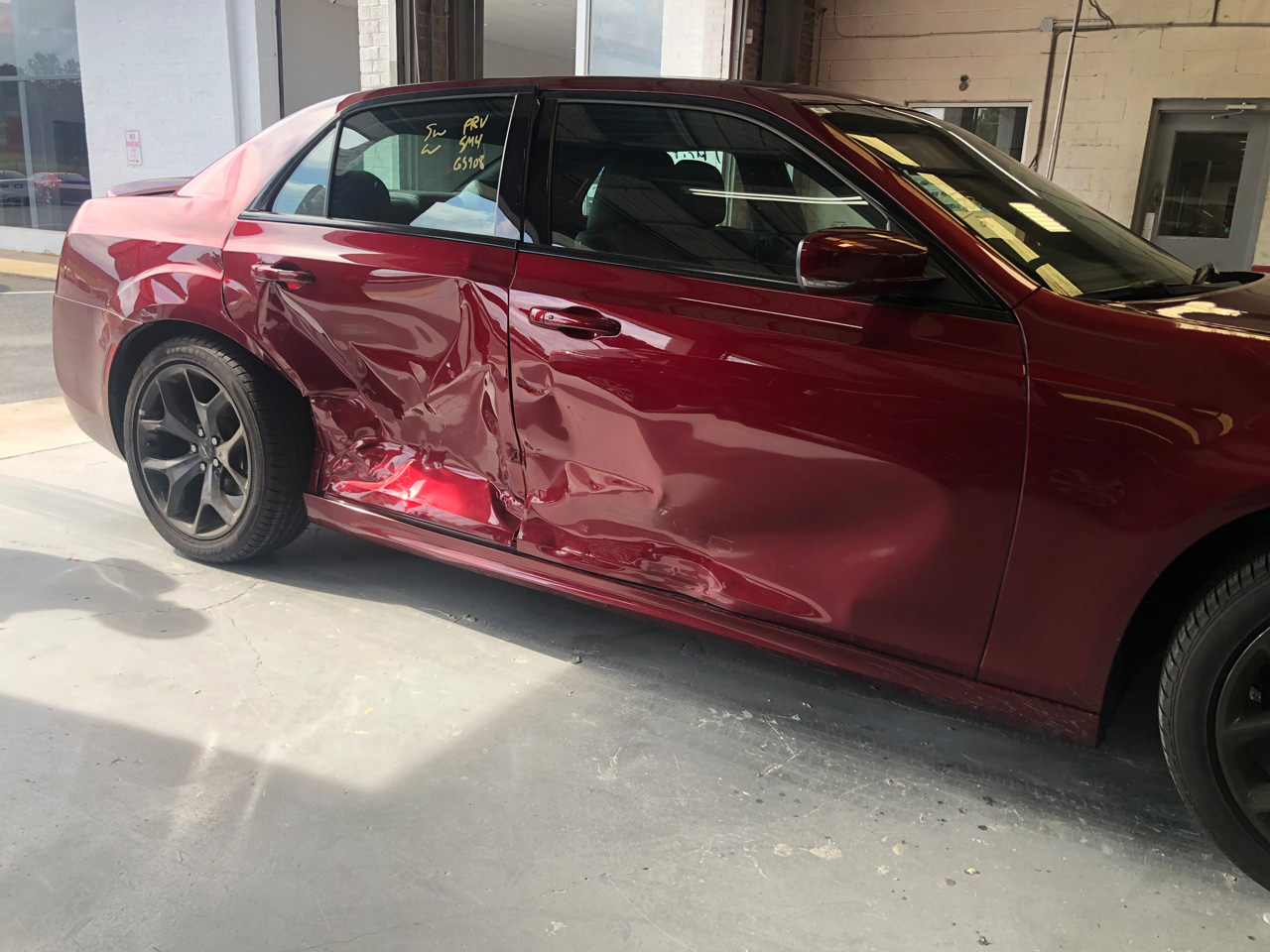
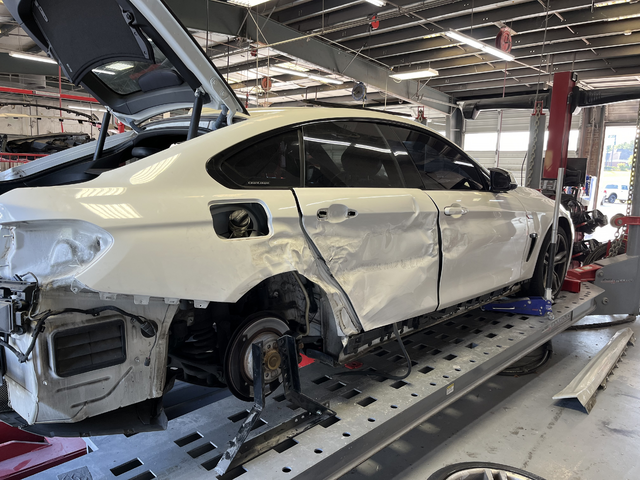
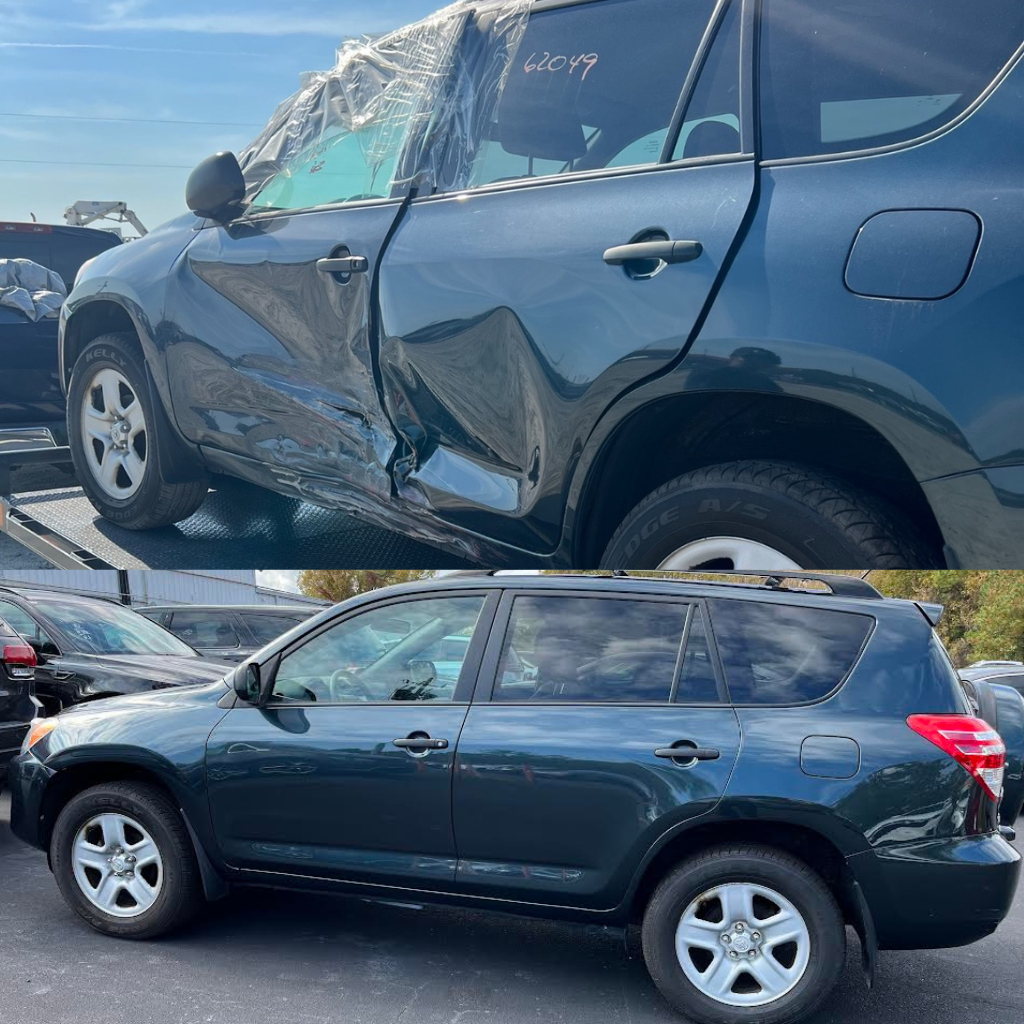
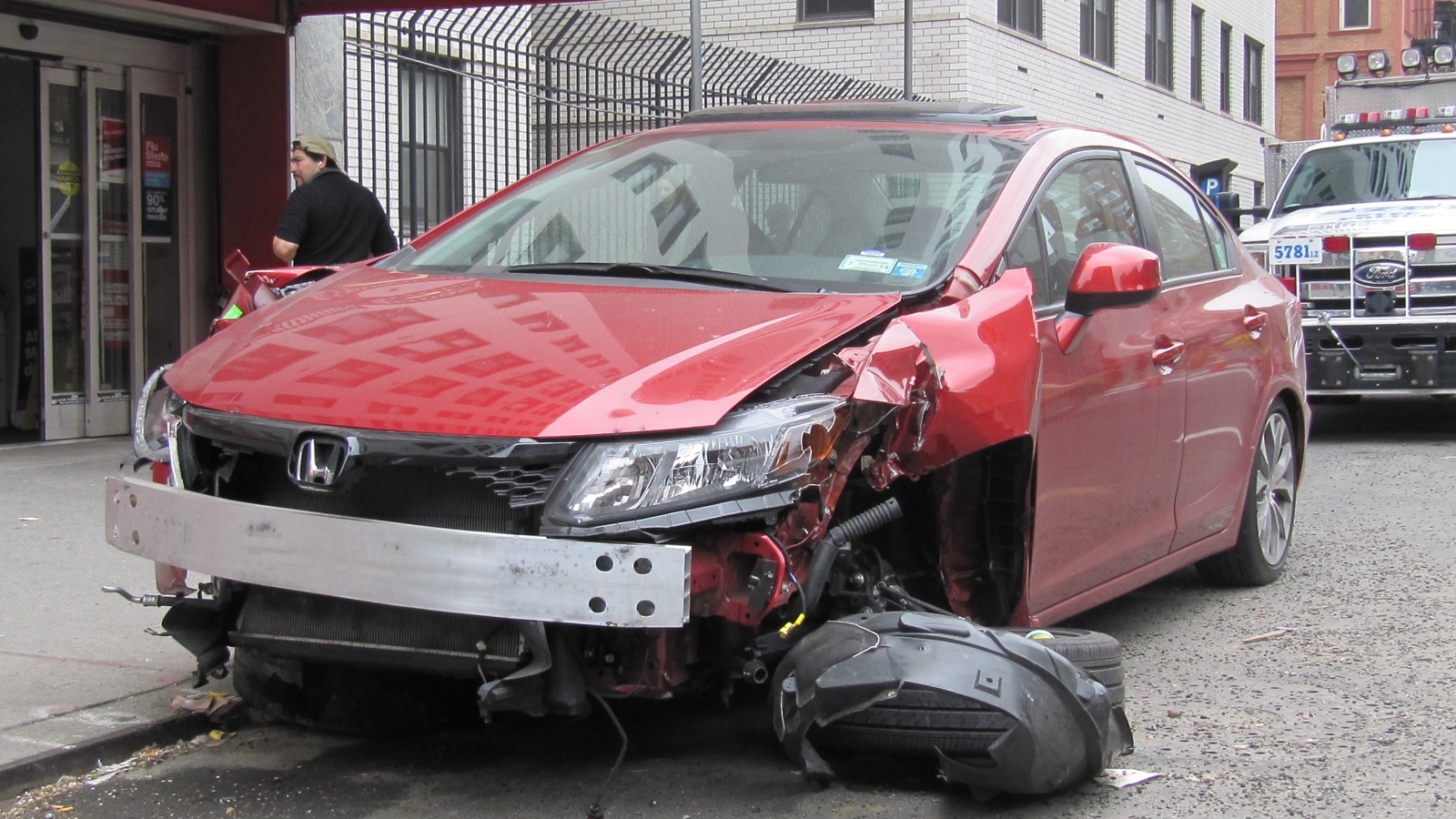
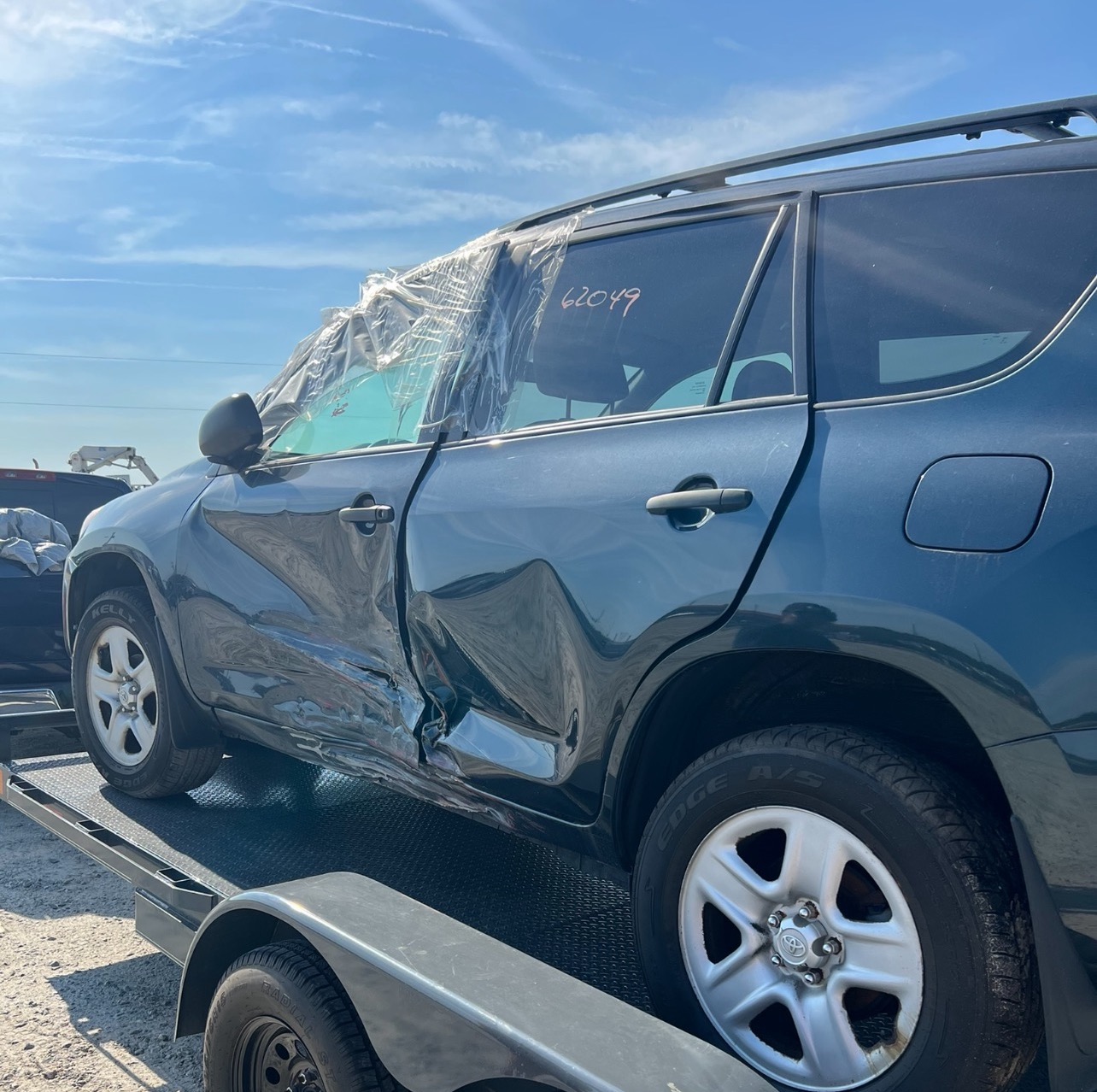
Airbags going off feels like a verdict on the car. It is not one. What decides it is a single number, and in North Carolina that number is written into the rules. No, a car is not automatically totaled when the airbags deploy. In North Carolina, an insurer treats a vehicle as a total loss when the cost of repair equals or exceeds 75 percent of its pre-accident actual cash value. Airbag deployment adds a lot to that repair cost, so it makes a total loss more likely, especially on an older or lower-value car. Airbags deploy when crash sensors detect an impact severe enough to need them. That tells you the collision was serious. It does not tell you what the repair costs compared to what the car is worth, and that comparison is the only thing that decides whether it gets repaired or totaled. So the same deployment can go two ways. A newer car with a high market value can absorb an airbag replacement plus body work and still come in under the line. An older car with the identical damage can land well over it, simply because the car was worth less before the crash. After a deployment, the car usually needs a proper teardown before anyone knows the real repair cost. Get it towed to the shop of your choice, get a written estimate, and let the numbers decide. North Carolina guidance from the NC Department of Insurance confirms that choice of shop is yours. Many states leave the total-loss call to a formula the insurer picks. North Carolina writes a threshold down. According to the NC Department of Insurance, when the total cost of repair equals or exceeds 75 percent of the vehicle’s pre-accident actual cash value, the insurer considers it a total loss. North Carolina law uses the same 75 percent line to define a salvage motor vehicle: one damaged to the extent that repairing it and making it safe for public roads would exceed 75 percent of its fair retail market value. What the car was worth the moment before the accident, based on its age, mileage, condition, and local market. Not what you paid, and not what you still owe on it. Parts, labor, paint, and calibration to put the car back in safe condition. After a deployment, this includes the airbag system and everything the crash damaged around it. Divide the repair cost by the actual cash value. At or above 75 percent, the insurer treats the car as a total loss. Below it, the car is a repair candidate, airbags or not. A deployed airbag is single use. It cannot be folded back into the steering wheel. It is replaced, and a deployment rarely stops at one part. Depending on the vehicle and which airbags fired, a proper repair can involve crash sensors, the airbag control module, seat belt pretensioners, and trim or dash panels the bags came through. Each is a parts line on the estimate before any body work starts. Airbags fire in serious impacts, so the deployment usually comes with front-end or side damage, cooling system parts, and sometimes structural damage that needs frame repair. The airbag cost stacks on top of all of that. The repair parts cost roughly the same whether the car is three years old or twelve. The actual cash value does not. That is why an older car with a deployment is far more likely to cross 75 percent than a newer one with the same crash. After a deployment the car has no working airbag protection until the system is repaired, and the crash itself may have damaged steering, suspension, or the frame. Have it towed. The insurer may suggest a shop or a storage yard. You can pick your own shop, which saves moving the car twice and avoids storage fees piling up while decisions get made. A deployment hides damage behind the dash and bumper. The real repair number comes after the shop opens it up, and that is the number the 75 percent test should use. When the insurer gives you their valuation, check it against real listings for your year, trim, and mileage around Sanford and the Triangle. A low valuation can tip a repairable car into a total loss on paper. The NC Department of Insurance notes you have the right to keep the salvage vehicle, in which case the insurer deducts the salvage value from its payment. North Carolina law defines a salvage rebuilt vehicle as a salvage vehicle rebuilt for title and registration, so think carefully about resale before you keep it. We do not decide whether your car is totaled. Your insurer does, using the repair estimate and the car’s value. What we control is the quality of that estimate, and an accurate one is what the whole decision rests on. ProTec Collision is an I-CAR Gold Class shop, which means our technicians complete ongoing annual training that includes current repair procedures and vehicle technology like airbag and driver-assist systems. We work with all insurance companies, have over 20 years on all makes and models in Sanford, and give every repaired car a quality confirmation inspection before release. Read more about our Gold Class certification. No. Airbag deployment does not automatically total a car. In North Carolina a vehicle is treated as a total loss when the cost of repair equals or exceeds 75 percent of its pre-accident actual cash value. Deployment raises the repair cost, so it makes a total loss more likely, but the numbers decide. Because the replacement parts cost about the same regardless of the car’s age, while an older car’s actual cash value is lower. The same repair bill is a much larger share of a lower value, so it crosses the 75 percent line sooner. The deployed airbags themselves, and depending on the vehicle, parts such as crash sensors, the airbag control module, seat belt pretensioners, and the trim or dash panels the airbags came through. A shop confirms the full list from the manufacturer’s repair procedure for that vehicle. It should not be driven. The deployed airbags no longer protect you, and the impact that triggered them may have damaged the steering, suspension, or frame. Have the car towed to a repair shop for inspection. Yes. The NC Department of Insurance says you have the right to keep the salvage vehicle, and the insurer deducts the salvage value from the actual cash value it pays you. A repaired salvage vehicle is titled differently, which can affect resale. If the repair makes sense against the car’s value, yes. ProTec Collision in Sanford is an I-CAR Gold Class shop that works with all insurance companies and will give you a written estimate to base the decision on. Call (919) 415-1109. An accurate written estimate from an I-CAR Gold Class shop, ready for your adjuster. We work with every insurance carrier. ProTec Collision is at 1301 Douglas Dr. in Sanford, next to Sanford Imports, open Monday through Friday from 8 AM to 5 PM, serving drivers across Lee County. Start with a free repair estimate or see our collision repair services.Is a Car Totaled If the Airbags Deploy?
The Short Answer
Do Not Sign Anything on Day One
How North Carolina Decides a Car Is a Total Loss
Actual cash value
Cost of repair
Repair at or above 75%?
Why Airbag Deployment Pushes a Car Toward Total Loss
More than the bag itself
The crash that triggered it
Why age matters so much
What to Do After Your Airbags Deploy in Lee County
Back to top Do not drive it
Tow it to the shop you choose
Get a written estimate after teardown
Compare it to the actual cash value
Know your options if it is totaled

How ProTec Collision Helps When the Airbags Go Off
Questions People Ask About Airbags and Totaled Cars in NC
Is a car automatically totaled if the airbags deploy?
Why are older cars more likely to be totaled after airbags deploy?
What parts get replaced after an airbag deployment?
Is it safe to drive a car after the airbags deploy?
Can I keep my car if insurance totals it in North Carolina?
Can ProTec Collision repair a car after the airbags deploy?
Get the Estimate the Decision Depends On
Airbag and Collision Repair in Sanford, NC